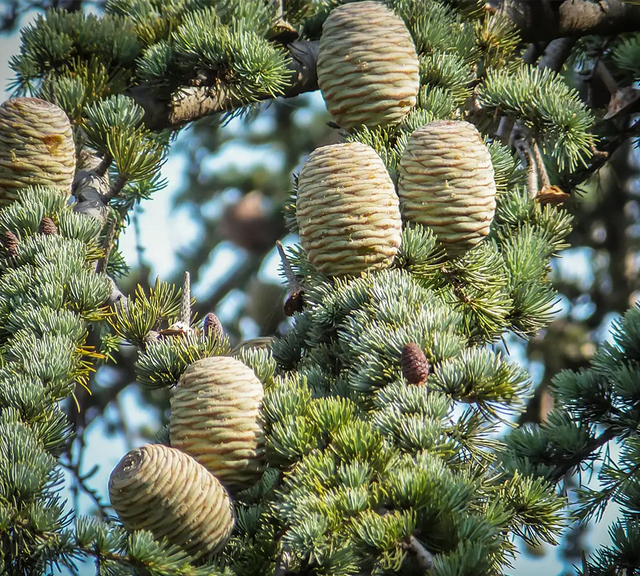


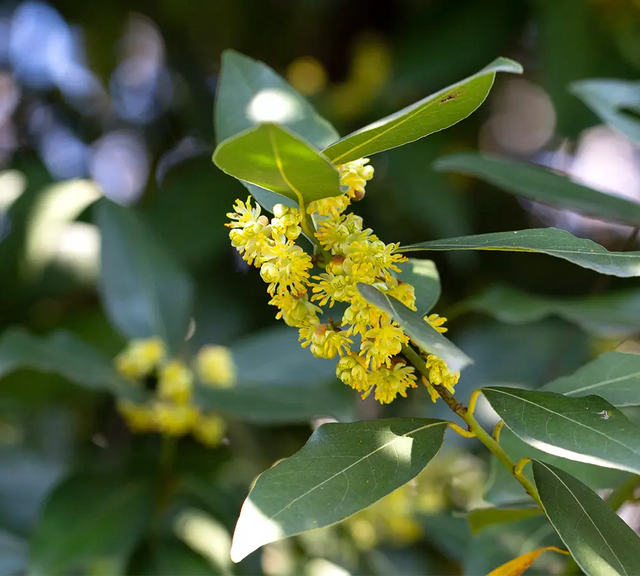
Bay laurel - Essential oil
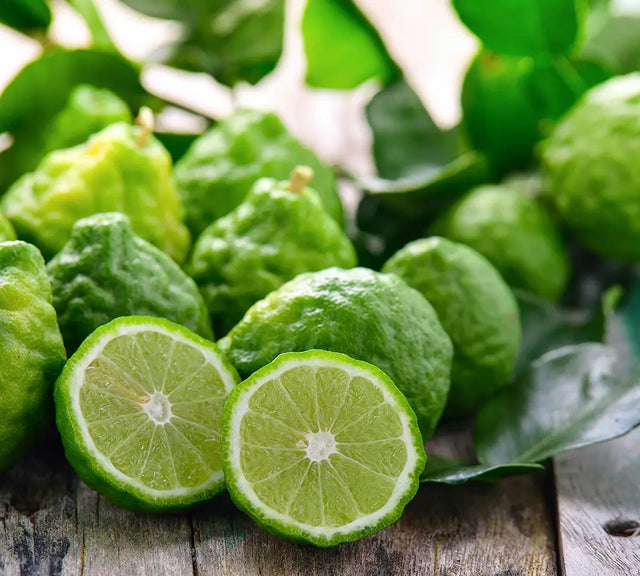
Bergamot - Essential Oil
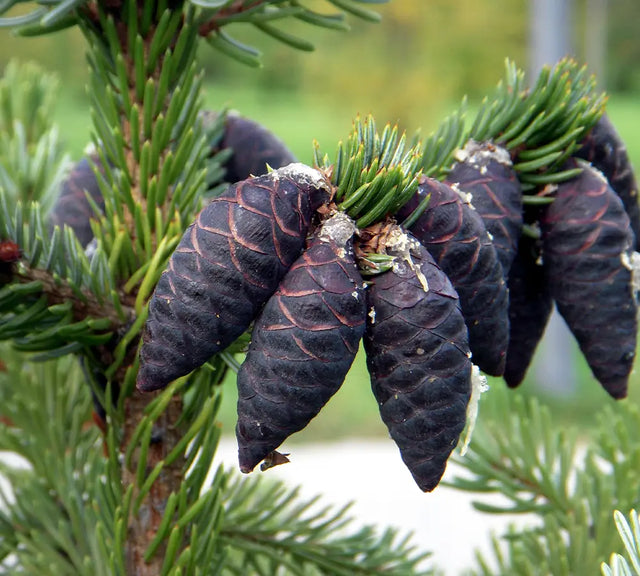
Black spruce - Essential oil
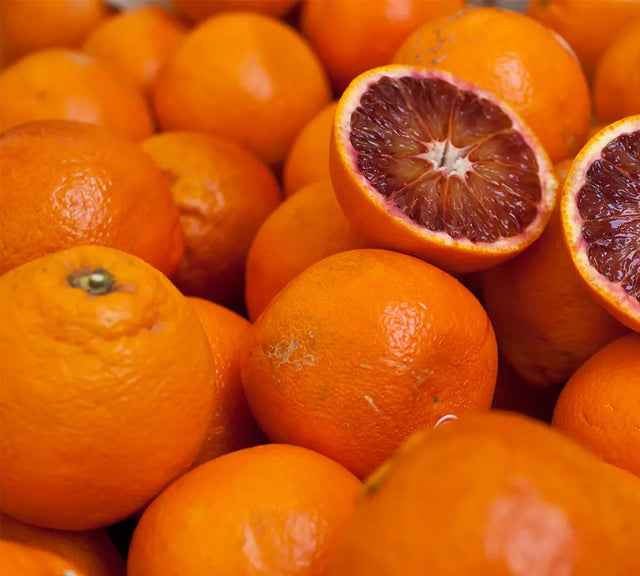
Blood orange - Essential oil
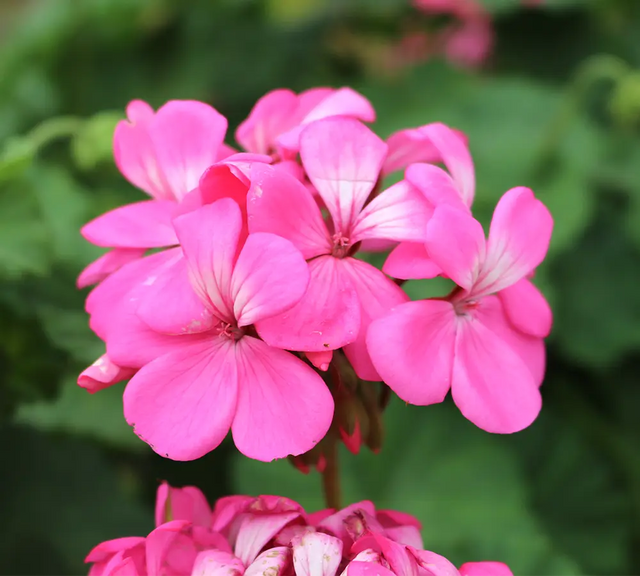
Bourbon Geranium - Essential Oil
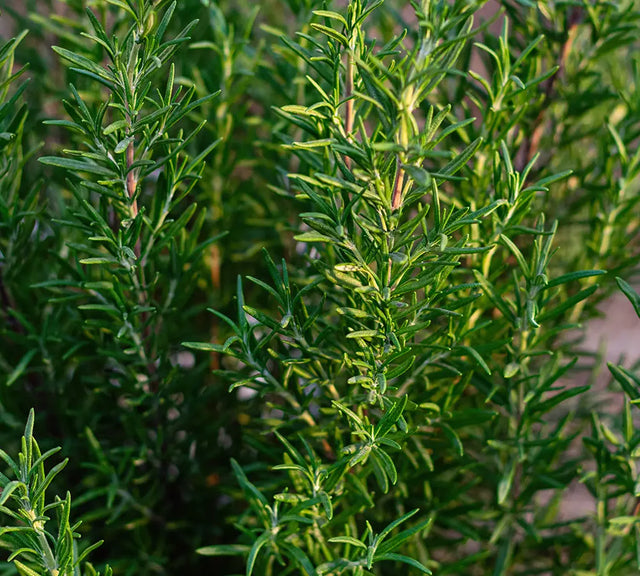
Camphor rosemary - Essential oil
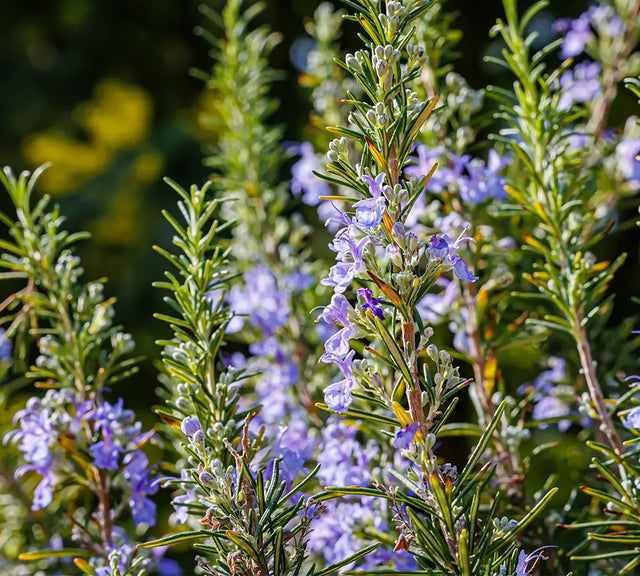
Cineole rosemary - Essential oil
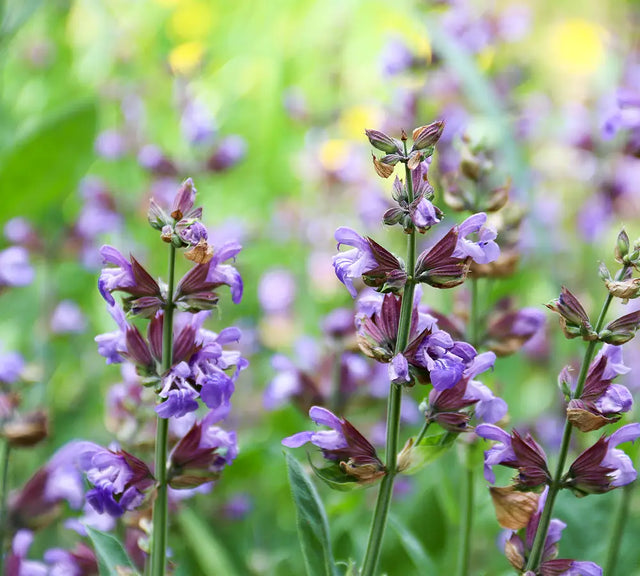
Clary sage - Essential oil
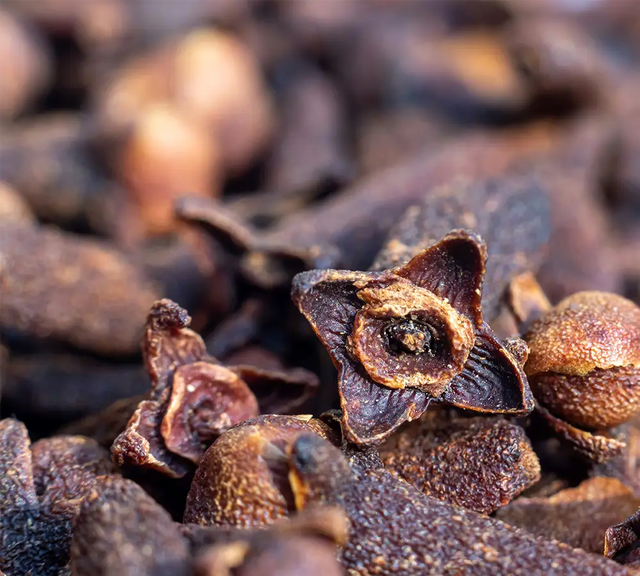
Clove - Essential Oil
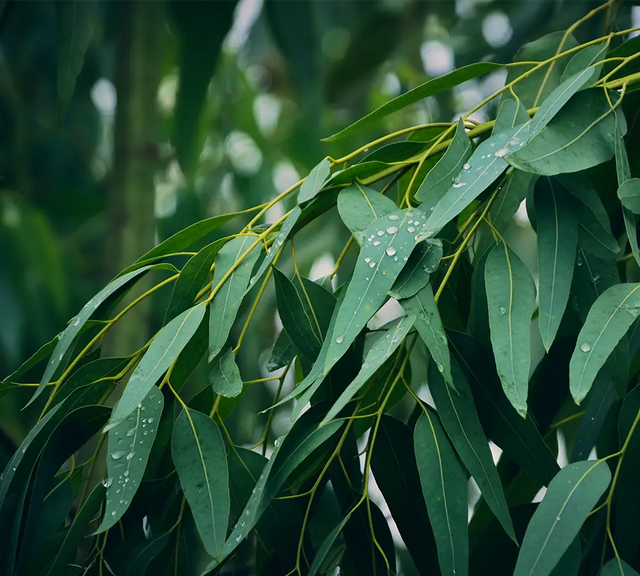
Eucalyptus globulus - Essential oil
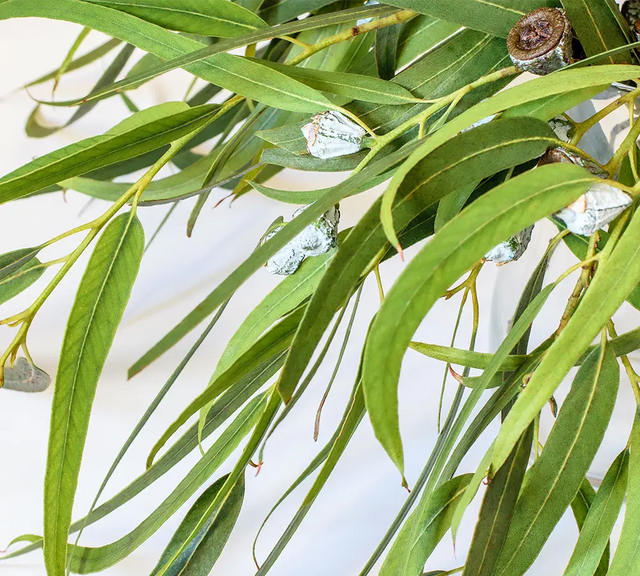
Eucalyptus radiata - Essential oil
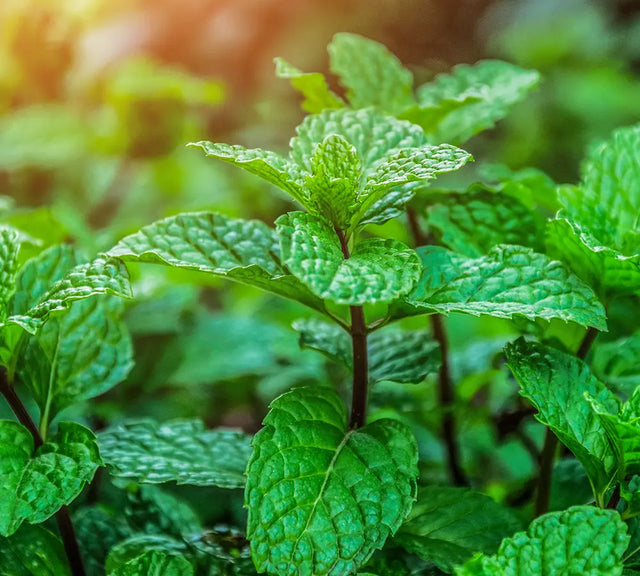
Field Mint
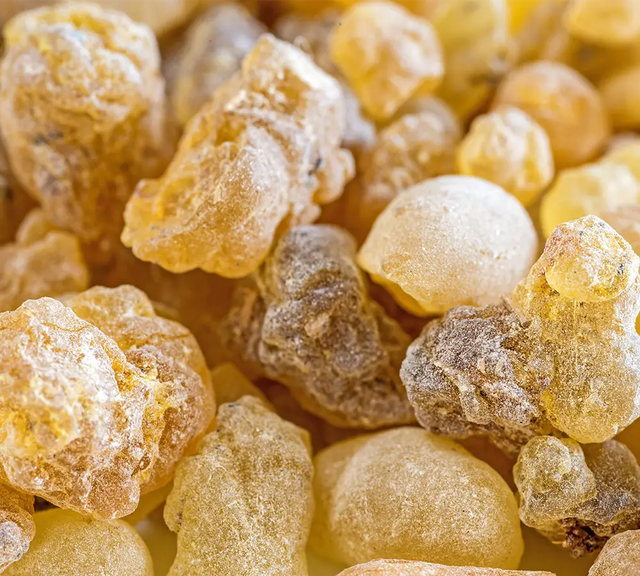
Frankincense - Essential Oil
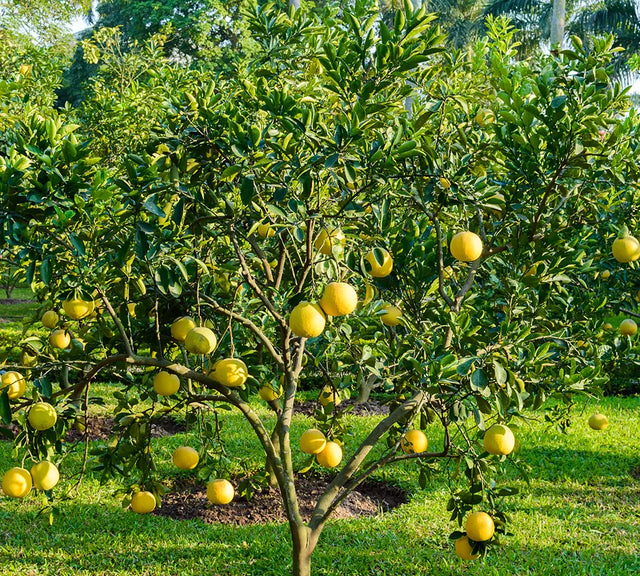
Grapefruit - Essential Oil
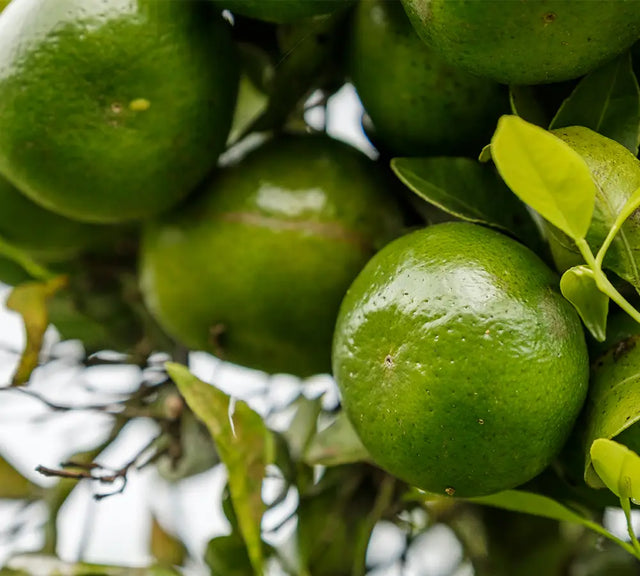
Green Mandarin Essential Oil
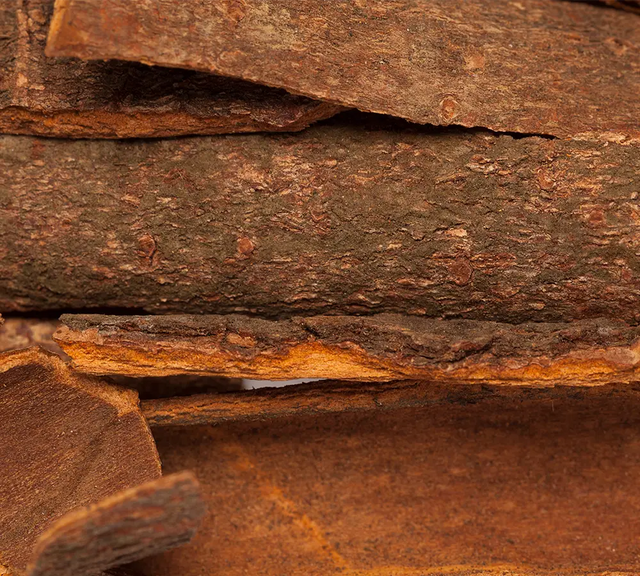
Ho wood - Essential oil
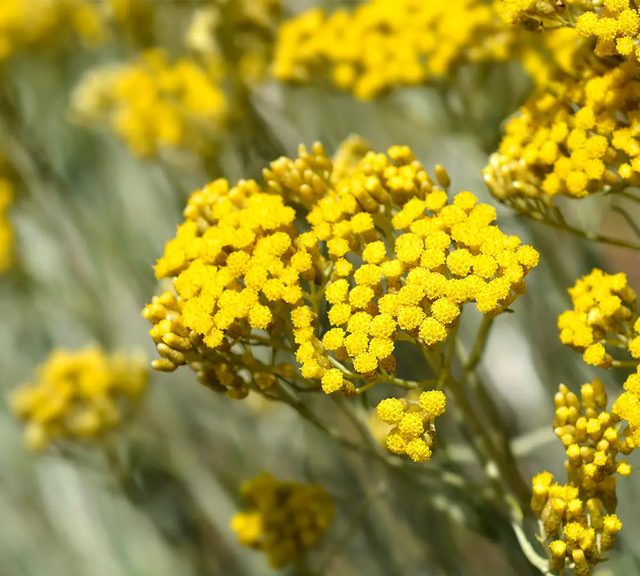
Italian Helichrysum - Essential Oil
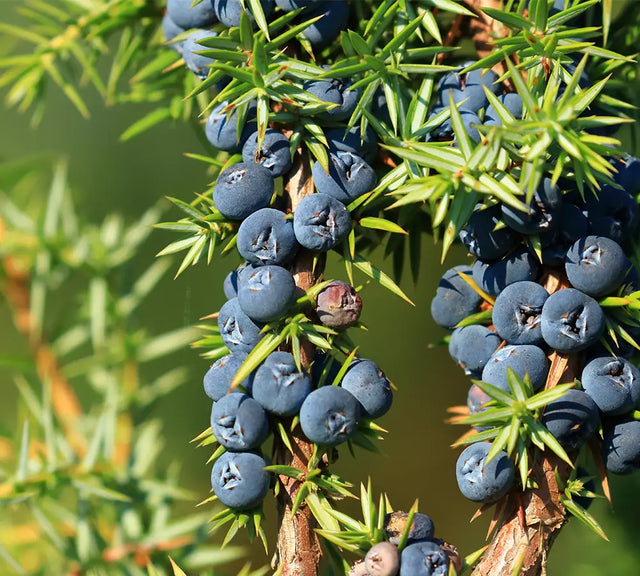
Juniper berries - Essential oil
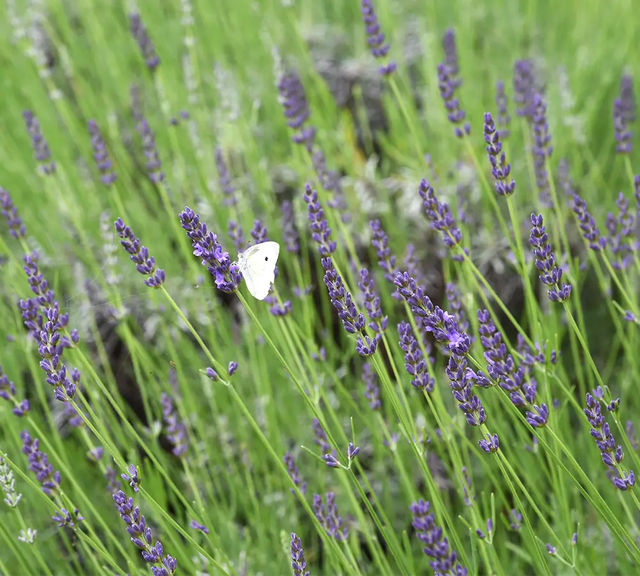
Lavandin grosso - Essential oil
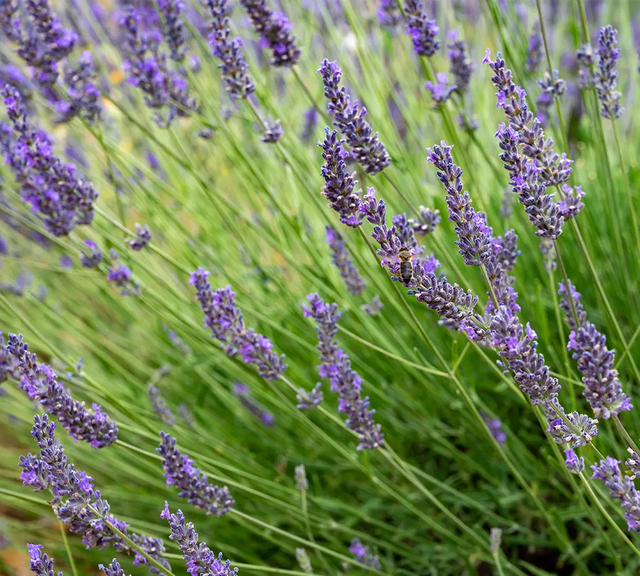
Lavandin super - Essential oil
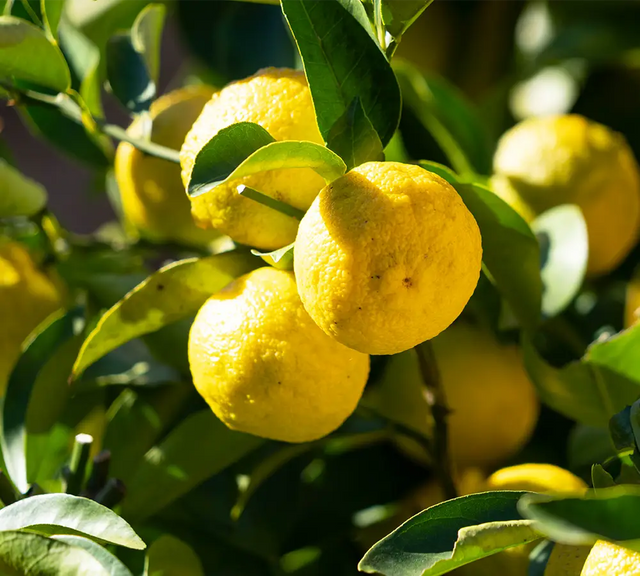
Lemon - Essential Oil
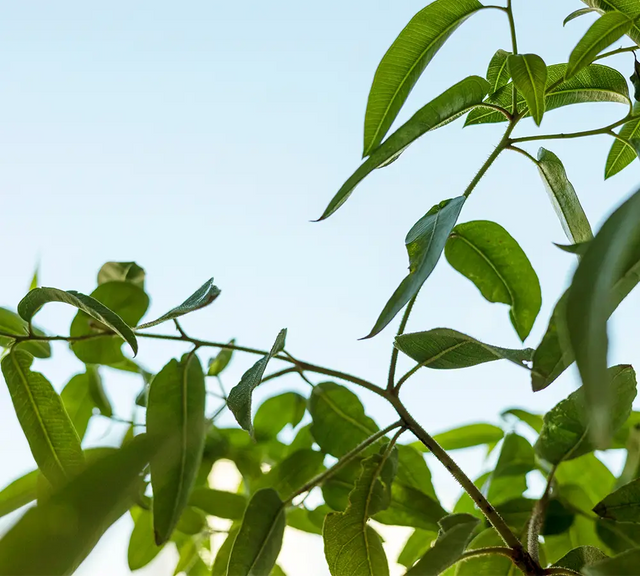
Lemon Eucalyptus - Essential Oil
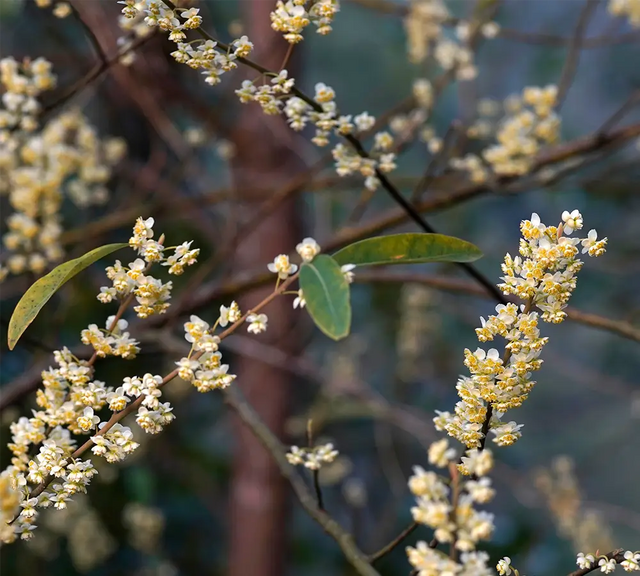
Lemon Litsea - Essential Oil
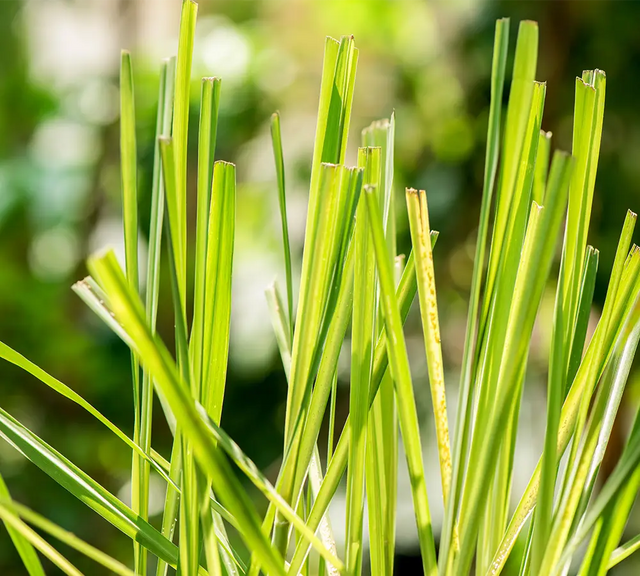
Lemongrass - Essential Oil
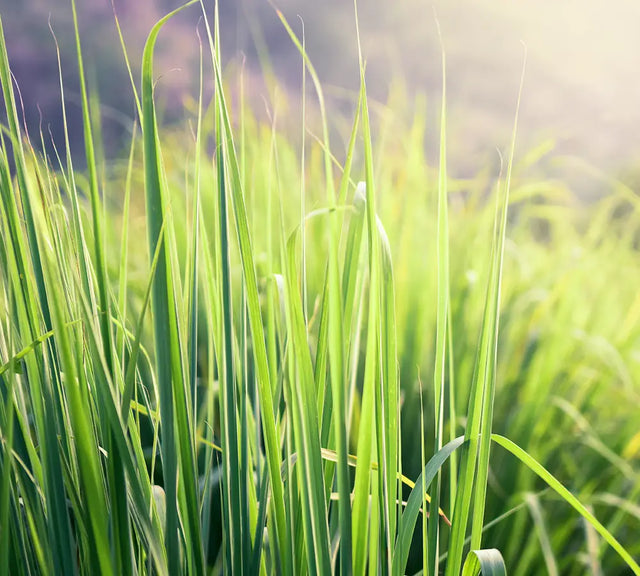
Lemongrass - Essential Oil
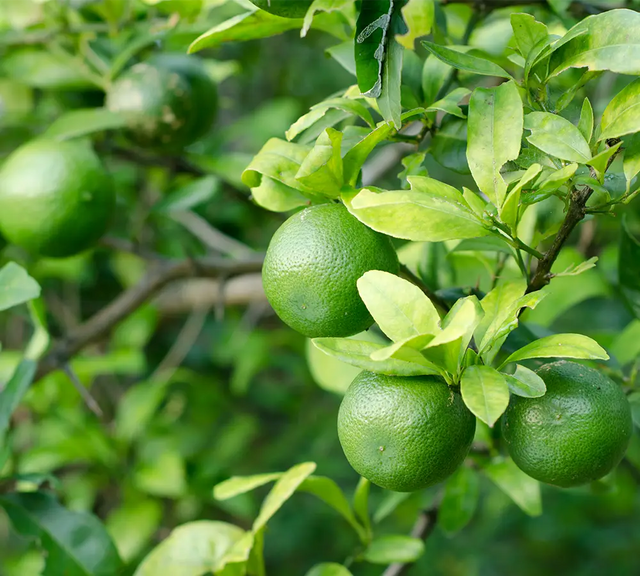
Lime - Essential Oil
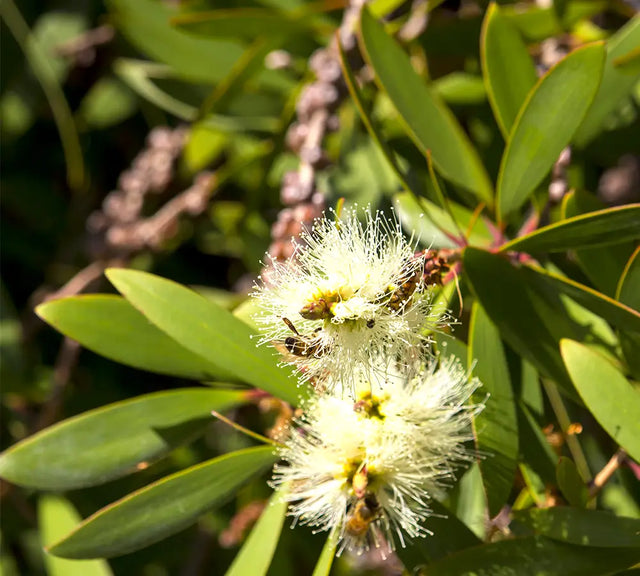
Niaouli - Essential Oil
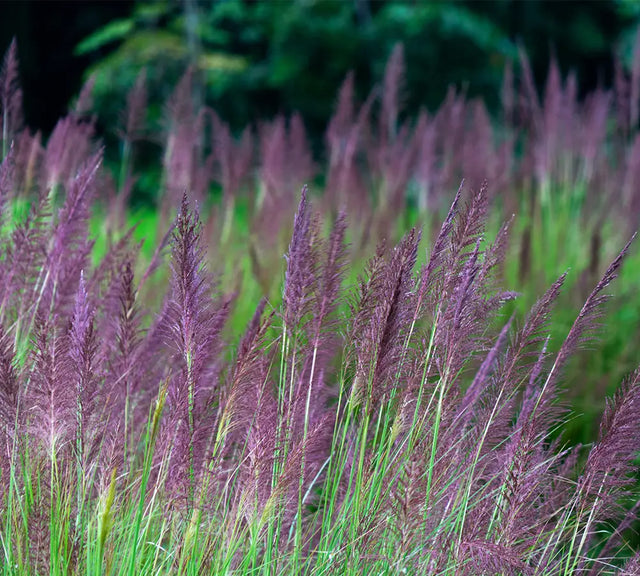
Palmarosa - Essential Oil
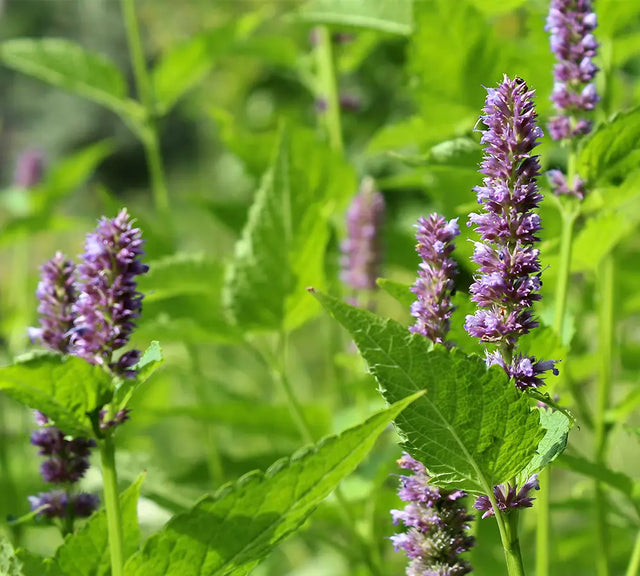
Patchouli - Essential Oil
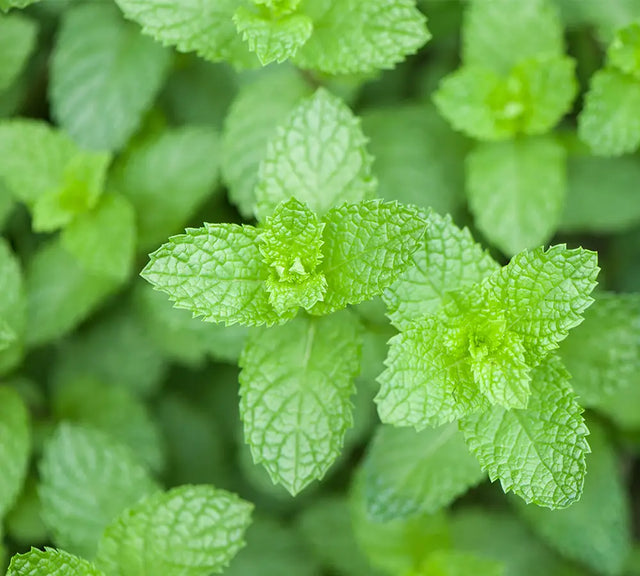
Peppermint - Essential Oil
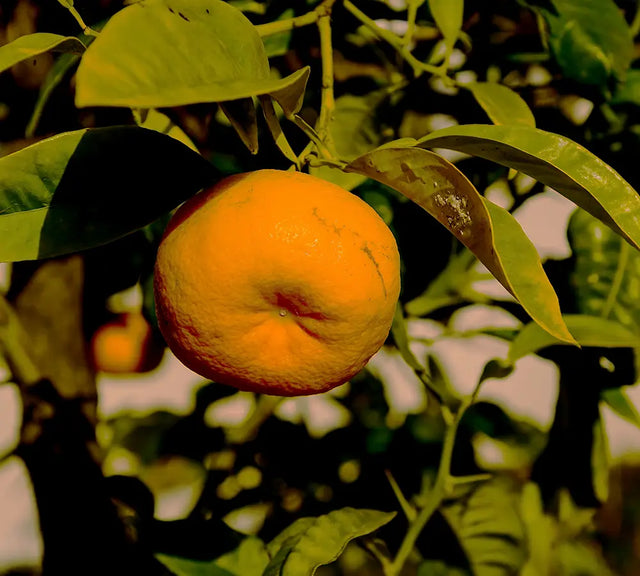
Petitgrain bigarade - Essential oil
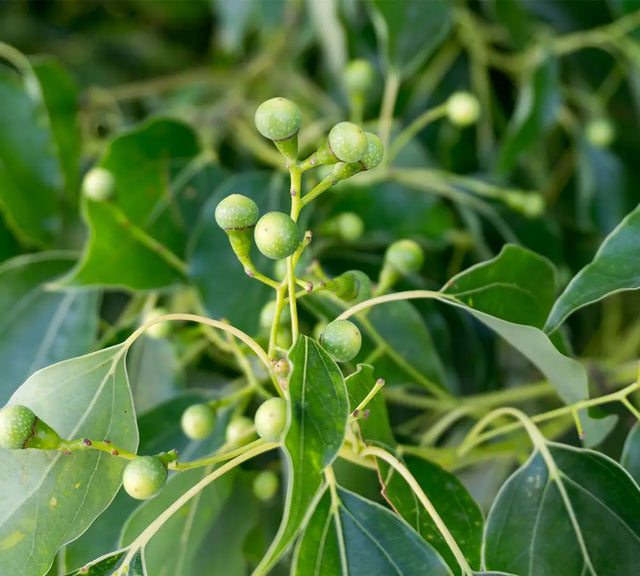
Ravintsara - Essential Oil
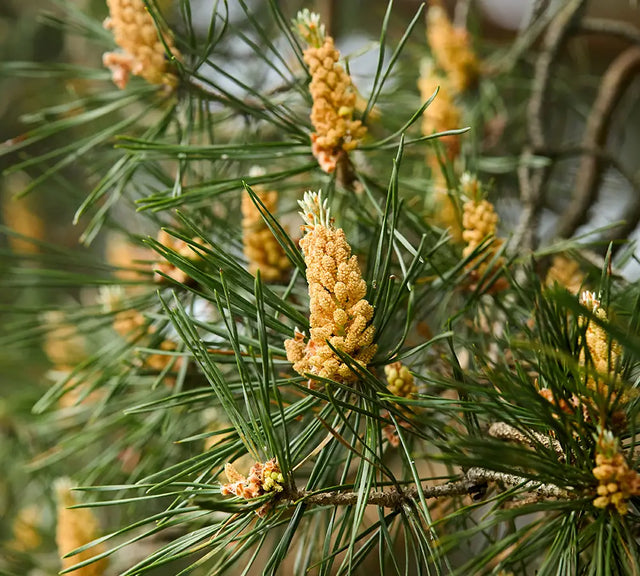
Scots pine - Essential oil
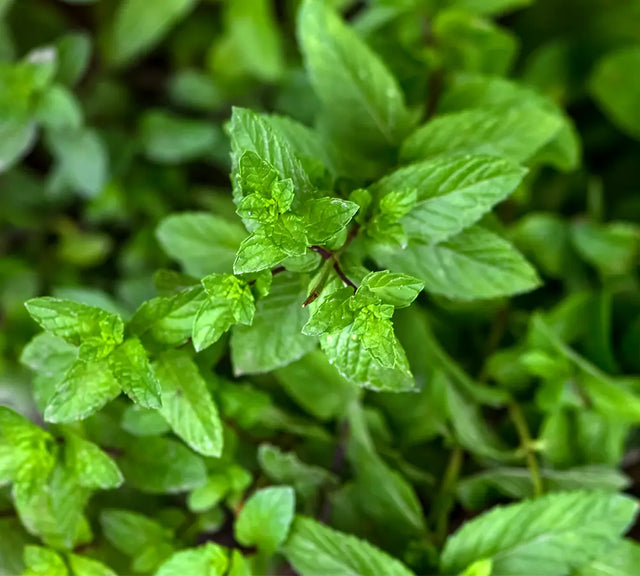
Spearmint - Essential Oil
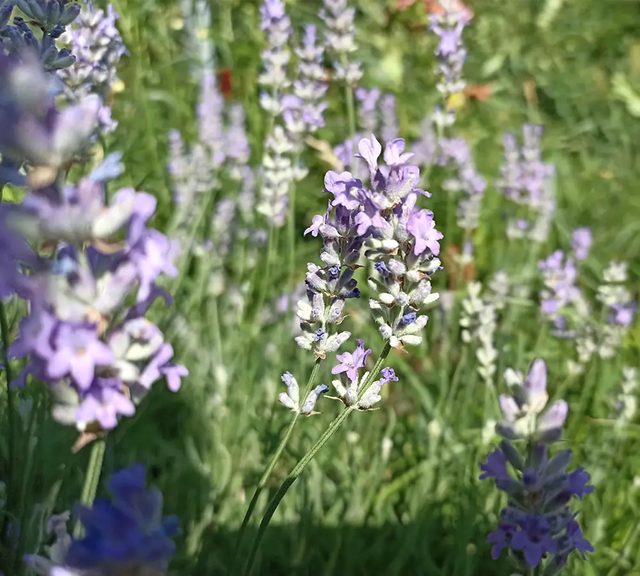
Spike lavender - Essential oil
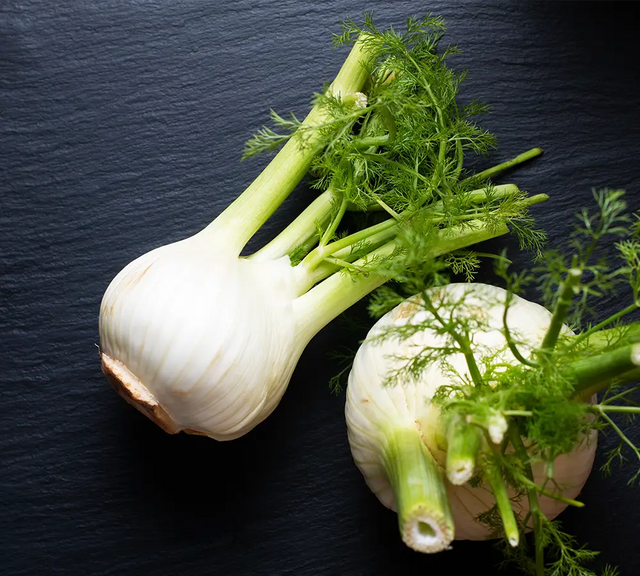
Sweet Fennel - Essential Oil
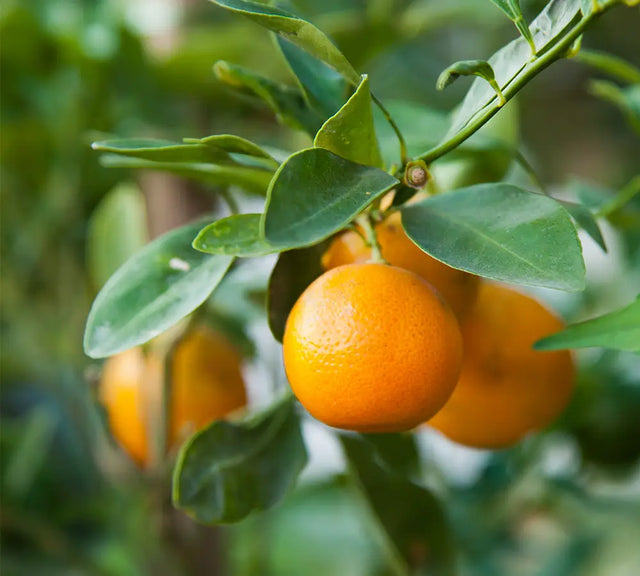
Sweet Orange - Essential Oil
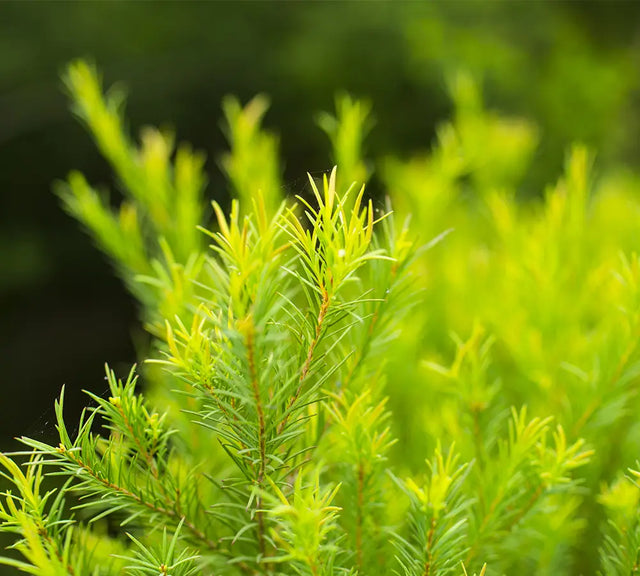
Tea tree - Essential oil
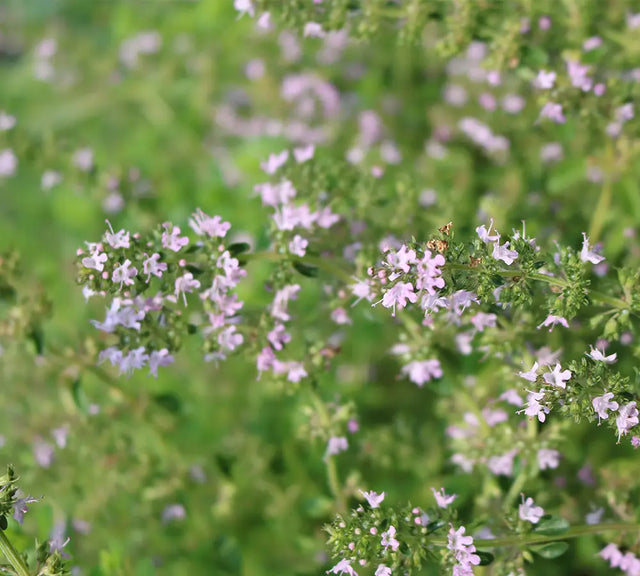
Thyme with thymol - Essential oil
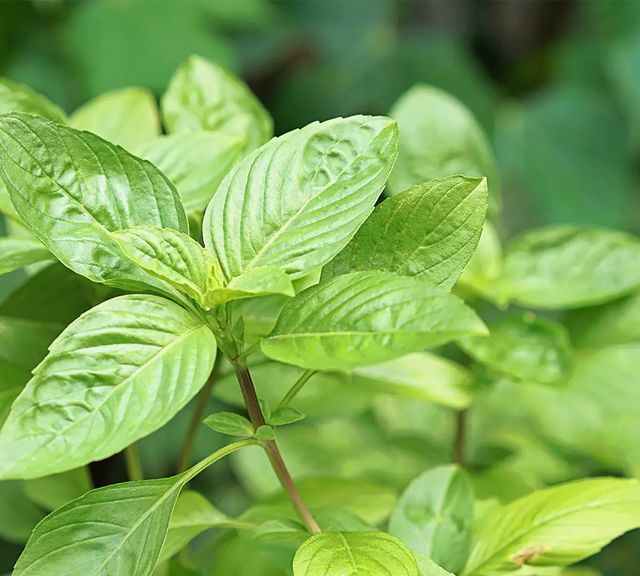
Tropical Basil - Essential Oil
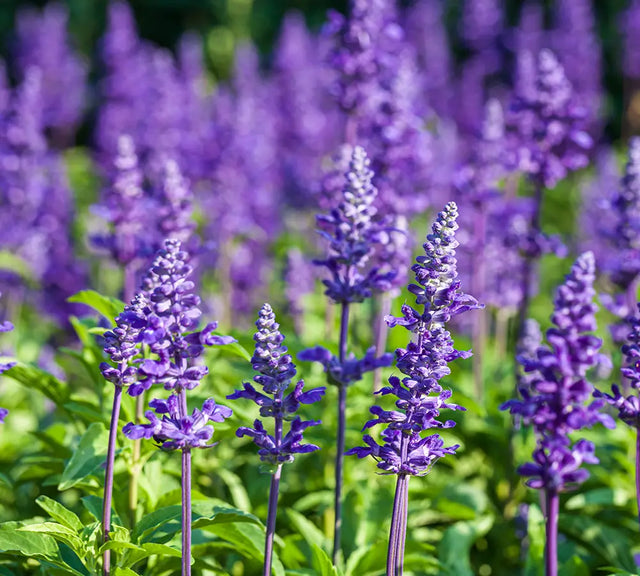
True Lavender - Essential Oil
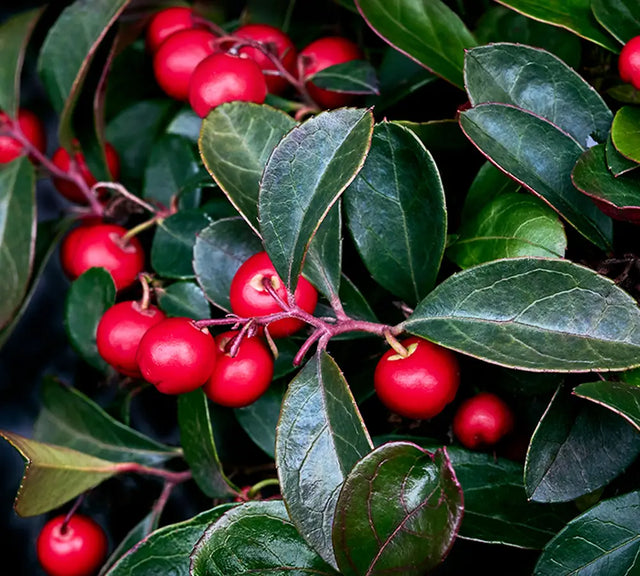
Wintergreen - Essential Oil
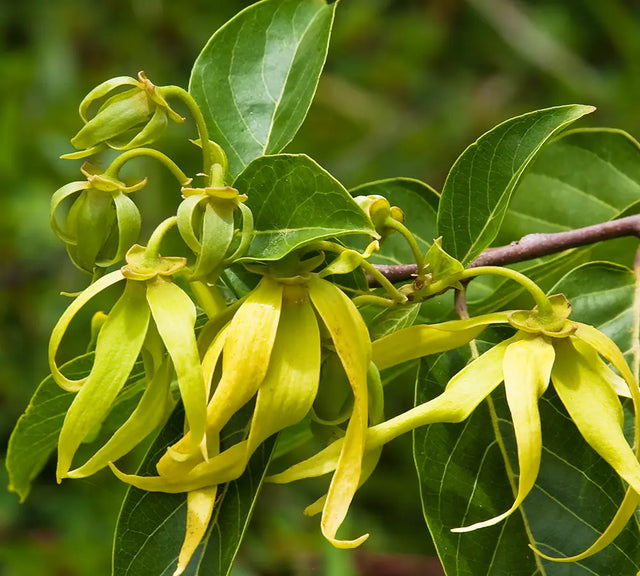
Ylang-Ylang Essential Oil
Aromatherapy
Learn more about essential oils
Why choose a certified organic essential oil?
• Organic raw materials : no synthetic pesticides, better plant purity.
• Traceability & compliance : COSMOS Organic/Ecocert labels, botanical & geographical origin, guaranteed chemotype (HEBBD/HECT).
• Analytical quality : GC-MS control (compliant aromatic profile), absence of additions/denaturation.
• Tolerance : fewer undesirable impurities (does not eliminate the risk of allergy).
• Impact : more sustainable supply chains, respect for soils & biodiversity.
Check the label for : “100% pure & natural”, organic certification , batch number, Latin species, distilled part.
Which essential oils are indispensable for beginners?
For a basic aromatherapy kit: Lavender (soothing) , Tea Tree (purifying) , Ravintsara or Eucalyptus radiata (respiratory) , Lemon (sanitizing, be careful in the sun) , Palmarosa (skin) . They cover well-being, skin care, and air hygiene.
Internal use only: under the advice of a healthcare professional.
What is the difference between an essential oil and a vegetable oil?
• Essential oil (EO) : concentrated aromatic extract (distillation/cold pressing of peels), 100% pure & natural , non-greasy, insoluble in water , rich in aromatic molecules. Uses: diffusion , inhalation , topical application always diluted .
• Vegetable oil (VO) : a fatty substance obtained by first cold pressing (sweet almond, jojoba, argan, etc.), nourishing and protective . Use: as a base for diluting essential oils, for face/body care, and massage.
Remember : always dilute an EO in a VO before applying to the skin; a VO does not replace an EO and vice versa.
What precautions should be taken (pregnancy, children, sun, contraindications)?
• Pregnancy/breastfeeding : avoid during the 1st trimester; afterwards only certain gentle essential oils on advice .
• Children : avoid < 3 years; no peppermint, essential oils rich in phenols/ketones.
• Sun : photosensitizing citrus fruits → no exposure 12 hours after application.
• Specifics : seek advice in case of epilepsy, asthma, pathologies or treatments.
How should essential oils be stored and what is their shelf life?
Bottles tightly closed , protected from light , in a cool place (15–20 °C), upright .
Shelf life after opening: citrus 1–2 years , conifers 2–3 years , lavender 3–5 years , resins/woods 5+ years . Note the opening date.